




News

Supervisors approve $107.5 million budget; no change in tax rates
Apr. 25, 2024028 By Heather MichonCorrespondent Fluvanna residents will not see any increase in county taxes in the coming 2025 fiscal year (FY25), as the Board of Supervisors...
Scottsville native serves with U.S. Navy’s Maritime Expeditionary Security Force
Apr. 25, 2024043 By Mass Communication Specialist 3rd Class Jerome Fjeld, Navy Office of Community OutreachThe U.S. Navy owns many large submarines, ships and aircraft carriers that...
Fluvanna Happenings: Did You Know?
Apr. 25, 2024037 By Rae AlbertsCorrespondent Fun Fact of the Week: You might automatically think of the Mississippi when I say the ‘longest river in the USA,’ but that title...
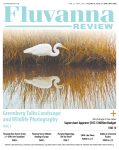
Greenberg talks landscape and wildlife photography
Apr. 25, 2024011 By Page H. GiffordCorrespondent Landscape and wildlife photographer Ben Greenberg will talk to Friends of the Library about his work on May 1 at 10 a.m.....
Fluvanna soccer athletes heading to Europe
Apr. 25, 2024023 By Kaiya Wrigley, FCHS journalism student FCHS sophomores Brady Crisp and Logan Bishop are getting the rare chance to do what they love in a foreign country. The two...
Fluvanna boys soccer scores a 1-0 win over Goochland Bulldogs
Apr. 25, 2024024 By Duncan NixonCorrespondent Thanks to soccer legend Pele, soccer is often referred to as “the beautiful game.” The phrase probably come from goals scored due to...
Charter school debate dominates monthly school board meeting
Apr. 17, 2024091 By Heather MichonCorrespondent The question of charter schools again dominated the Fluvanna County School Board's monthly meeting on Wednesday (April 8). Charter...
Silver and Gold, a new social group for seniors
Apr. 17, 2024037 By Page H. GiffordCorrespondent For those over 55 and living in Fluvanna who say there isn't much to do except play golf, pickle ball, or cards, there’s a new...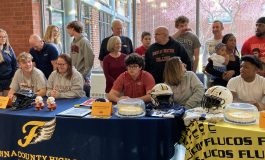
Multiple Flucos sign to compete at the next level
Apr. 17, 2024039 By Duncan NixonCorrespondent A signing ceremony at which a high school senior signs a commitment letter to continue to compete in college in his or her sport is...